Unlocking Efficiency in Data Centers: The Role of Active Magnetic Bearings in Cooling Solutions
Executive Summary
As data centers continue to scale to meet the demands of AI, cloud computing, and hyperscale workloads, efficient and reliable cooling systems are more critical than ever. Active Magnetic Bearings (AMBs) are emerging as a transformative technology in next-generation cooling solutions. By enabling oil-free, high-speed compressors and chillers, AMBs deliver significant energy savings, reduce maintenance costs, and align with sustainability goals.
1. The Cooling Challenge in Data Centers
- Exploding Power Densities: High-density racks and AI servers generate more heat than traditional infrastructure, demanding advanced cooling solutions.
- Energy Costs: Cooling accounts for up to 40% of total data center energy consumption, making efficiency improvements a strategic priority.
- Reliability Requirements: Downtime due to cooling system failures can cost millions in lost services and SLA penalties.
- Regulatory Limits for Usage of Water: Regional new and upcoming limitations for usage of freshwater withdrawal promote closed-circuit liquid cooling, hybrid cooling, and air cooling.
2. What Are Active Magnetic Bearings?
- AMBs use electromagnetic forces to levitate rotating components in compressors and blowers.
- Eliminates physical contact, friction, and the need for lubrication systems.
- Operates under precise digital control, enabling dynamic rotor stability even at extremely high speeds.
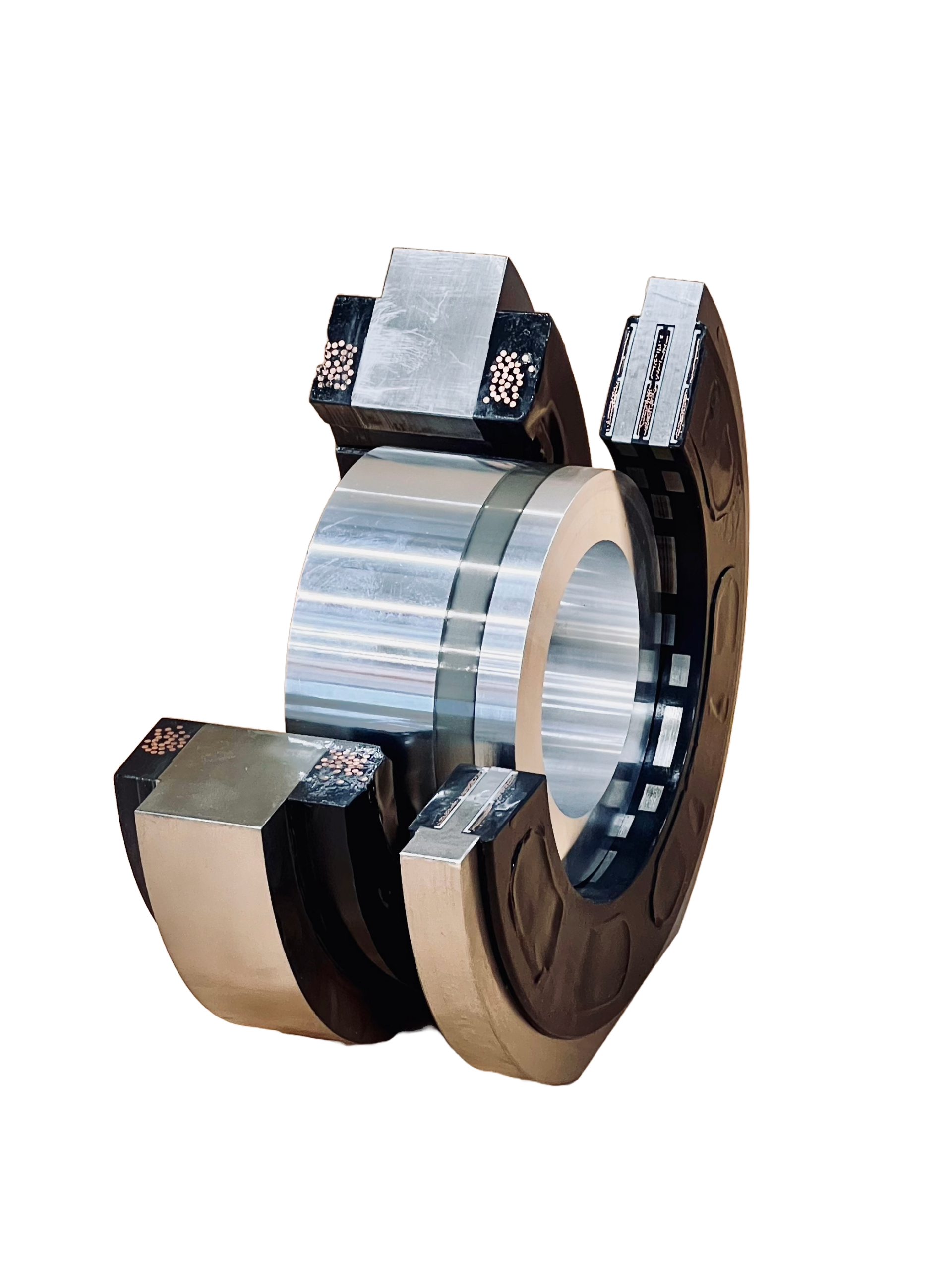
Figure 1. AMB sample designed by SpinDrive
3. How AMBs Revolutionize Data Center Cooling
3.1 Oil-Free Operation
- Traditional bearings require oil, adding complexity and contamination risks.
- AMBs remove oil from the equation, improving heat exchanger efficiency and eliminating oil-related maintenance.
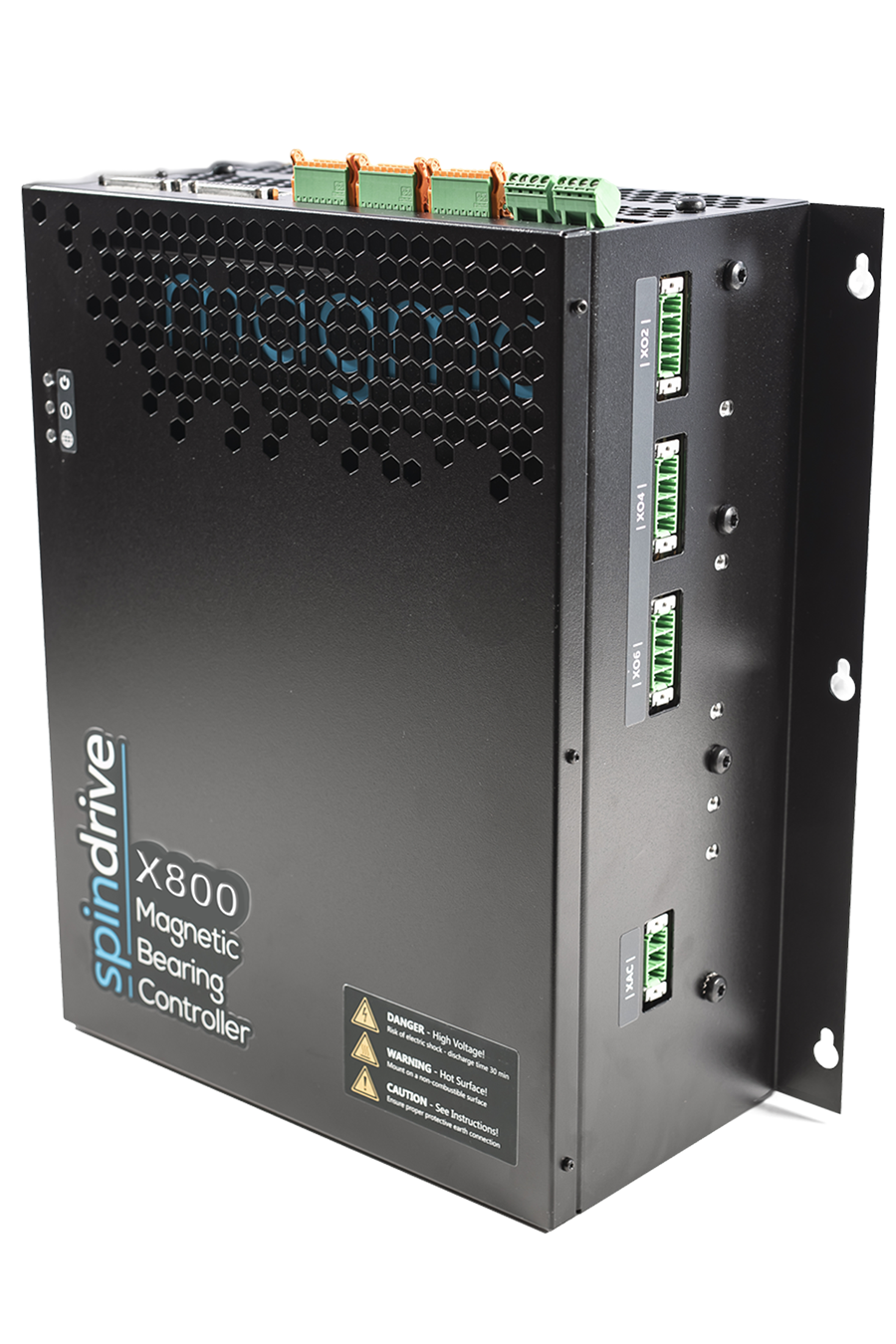
Figure 2. Magma X800 AMB controller made by SpinDrive
3.2 High-Speed, Variable Operation
- AMBs support speeds above 100,000 rpm, enabling advanced centrifugal compressors with variable capacity to match cooling loads dynamically.
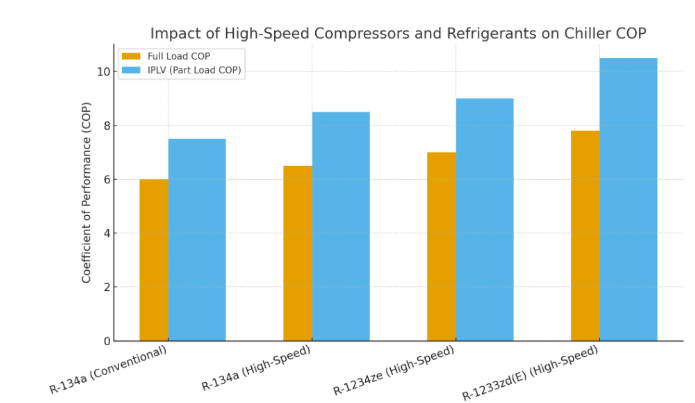
- Variable-speed operation keeps Coefficient of Performance (COP) high at partial load, where data centers operate most of the time.
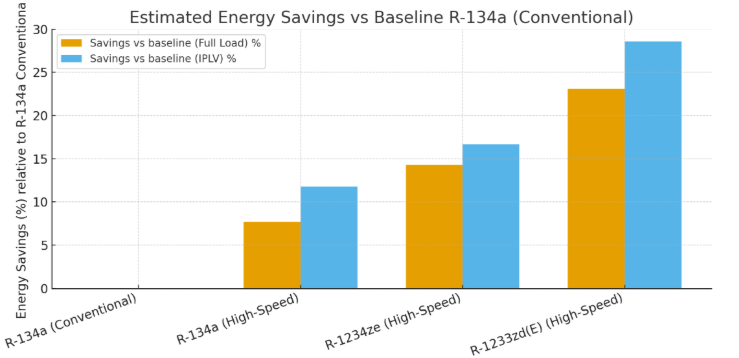
- AMBs enable higher rotational speeds than other bearing technologies, which further enables the usage of new refrigerants, providing higher CoP
3.3 Energy Savings
- Lower friction and precision control reduce power consumption.
- High partial load efficiency enabled by AMBs supports Power Usage Effectiveness (PUE) optimization efforts, a key metric for sustainable data center operations.
- Increased CoP translates directly to energy savings
4. Key Advantages for Data Centers
| Benefit | Impact |
| Energy Efficiency | Reduced compressor power draw lowers operating costs. High PUE and CoP. |
| Maintenance Reduction | No mechanical wear means fewer service interventions. |
| Compact Footprint | High-speed oil-free compressors save floor space. |
| Sustainability Alignment | Oil-free operation supports ESG initiatives and system efficiency. |
| Extended Equipment Life | Minimizes downtime risk and capital replacement cycles. |
5. ROI Considerations
- Lower OPEX: 15-35% reduction in chiller energy consumption.
- Maintenance Savings: Eliminates oil change costs and reduces system complexity.
- Lifecycle Value: Longer equipment life and fewer unplanned outages.
6. Industry Adoption and Case Studies
- Hyperscalers & Colos: Leading cloud providers are deploying AMB-enabled chillers to meet aggressive energy and sustainability targets.
- Vendor Ecosystem: SpinDrive is providing AMBs for compressor technologies in mission-critical cooling systems.
7. The Strategic Imperative
As AI and cloud workloads surge, the operational and financial case for AMBs strengthens. Data center operators seeking efficiency, reliability, and sustainability should consider Active Magnetic Bearings as a cornerstone of next-generation cooling architectures.
To explore how AMB-based cooling solutions can optimize your data center’s energy profile and improve uptime, contact SpinDrive for a consultation or detailed ROI analysis.